UK businesses spent over £4bn on office fit-outs in 2024. A significant portion of those projects had employee wellness listed somewhere in the brief. Most of them did not move the needle on actual employee health, engagement or retention.
That is not a coincidence. It is the predictable result of treating wellness as a features checklist: a bike storage room, a meditation pod, a few plants, rather than as the strategic outcome of deliberate, evidence-led space planning.
of UK employees say their office does not support their focus and productivity
of office redesigns begin without a formal employee listening exercise
higher ROI on redesigns that set measurable wellness outcomes before starting
They start with aesthetics, not evidence
Wellness is treated as a room, not a result
People strategy and space strategy are never connected
No baseline is set, so nothing can be measured
The brief is handed to a firm that executes, not thinks
How can I ensure my decision is in line with my commercial objectives effectively?
Wellness-focused office design is not a style. It is not a specification. It is a process — one that connects an organisation's people strategy to every spatial and design decision made during a project.
Done well, it treats the office as a tool for human performance. Done badly, it produces a space that photographs well and functions poorly.
Air quality, natural light, thermal comfort, ergonomics and movement. The fundamentals. Most offices underperform on at least two of these. They are also the factors with the clearest evidence base for direct impact on cognitive performance and physical health.
Can people find quiet? Can they have private conversations? Is there genuine choice in where and how they work? Spaces that offer no autonomy generate chronic low-level stress — even when they look open and inviting.
Wellbeing is not just individual. Belonging, connection and community are among the strongest predictors of both mental health and retention. The office should be designed to enable those connections — not leave them to chance.
Not every task demands the same environment. A workplace that offers only one mode — open plan, or fully private, or entirely collaborative — is a mismatch for most roles. Variety should follow actual work patterns, not trend.
A step-by-step plan: from wellness strategy to space
Run a wellbeing and workplace audit before touching the brief
Define wellness outcomes, not wellness features
Align the wellness brief with the space brief
Design the physical environment around evidence, not trend
Plan the change management alongside the build
Measure, review, adjust
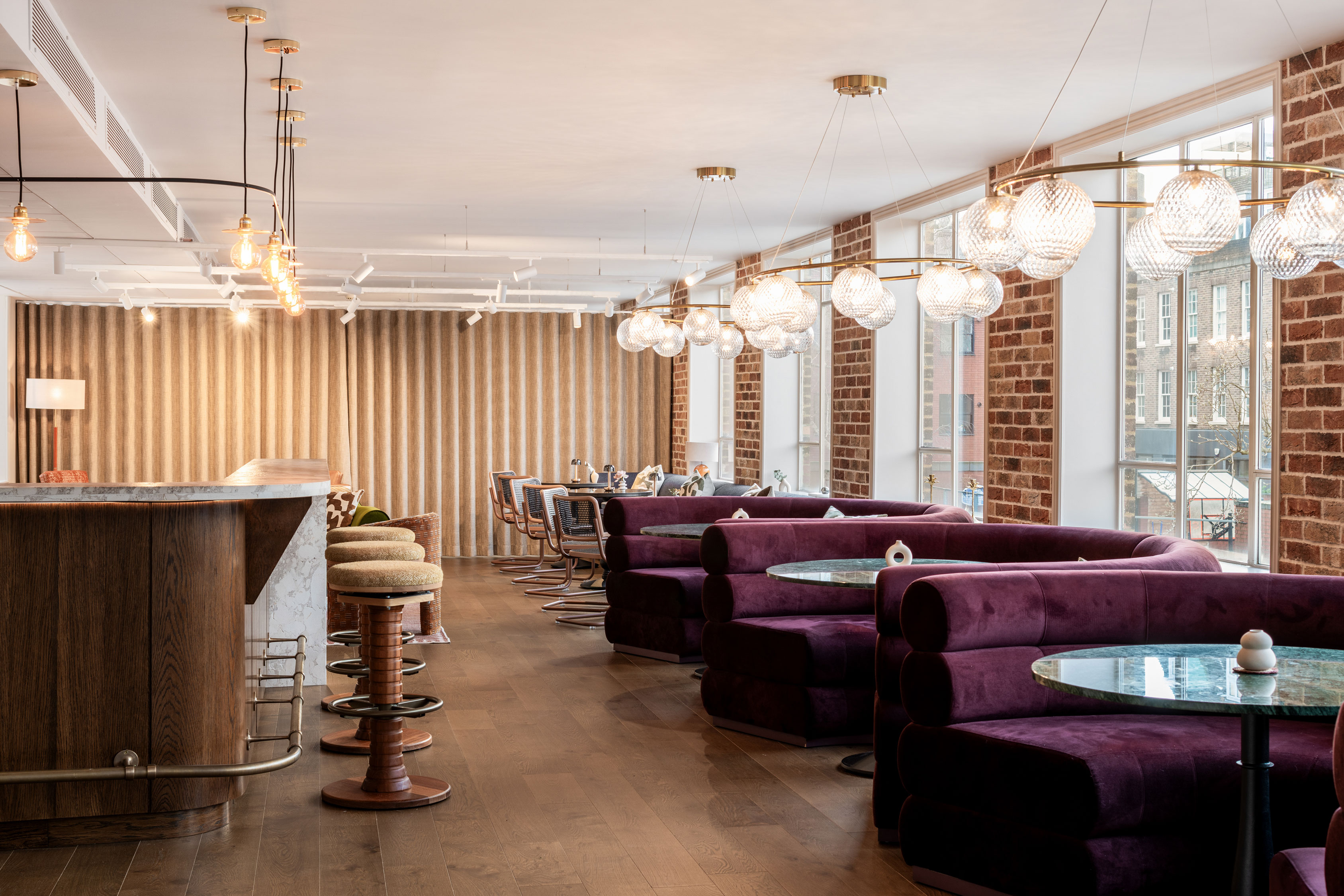
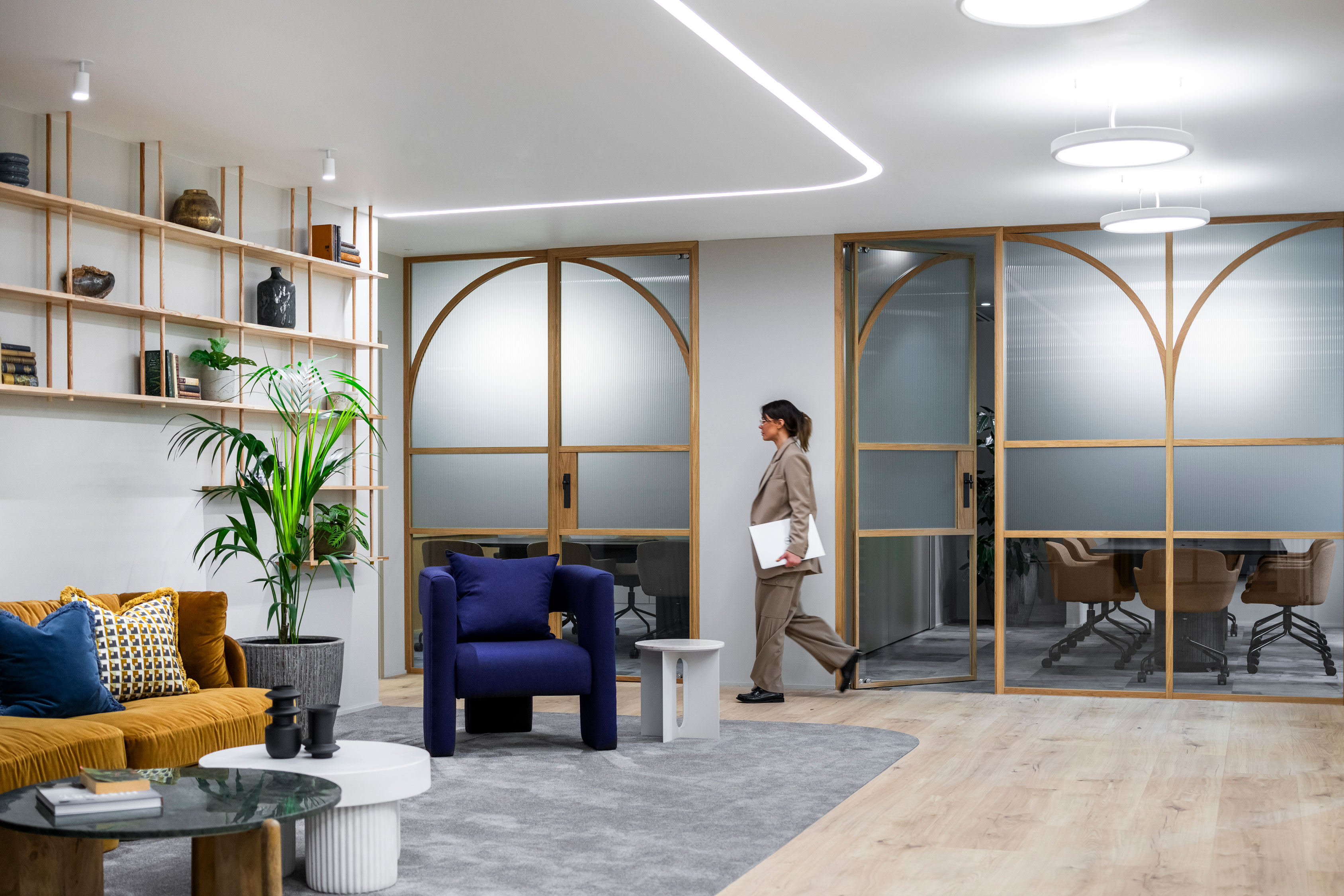
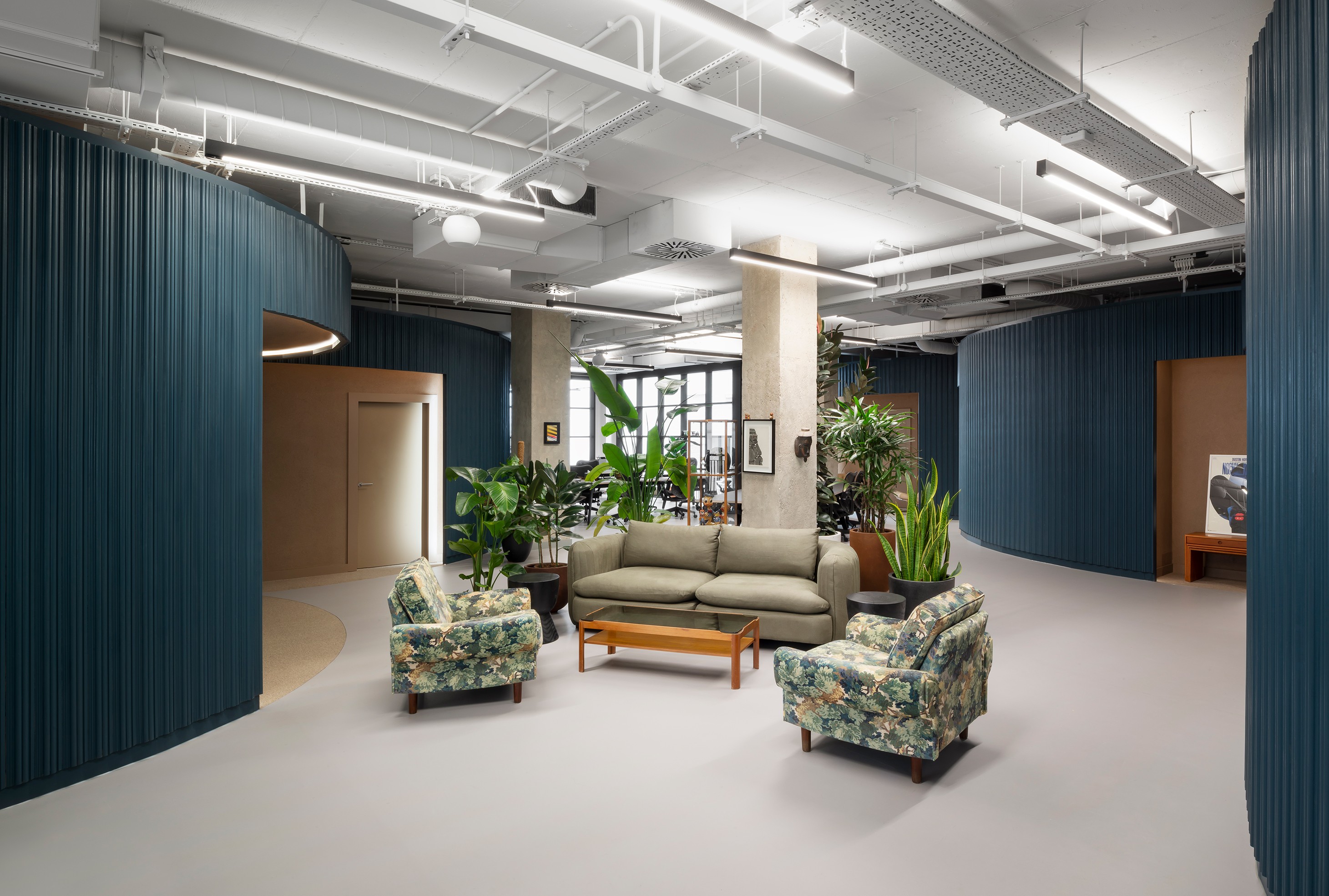
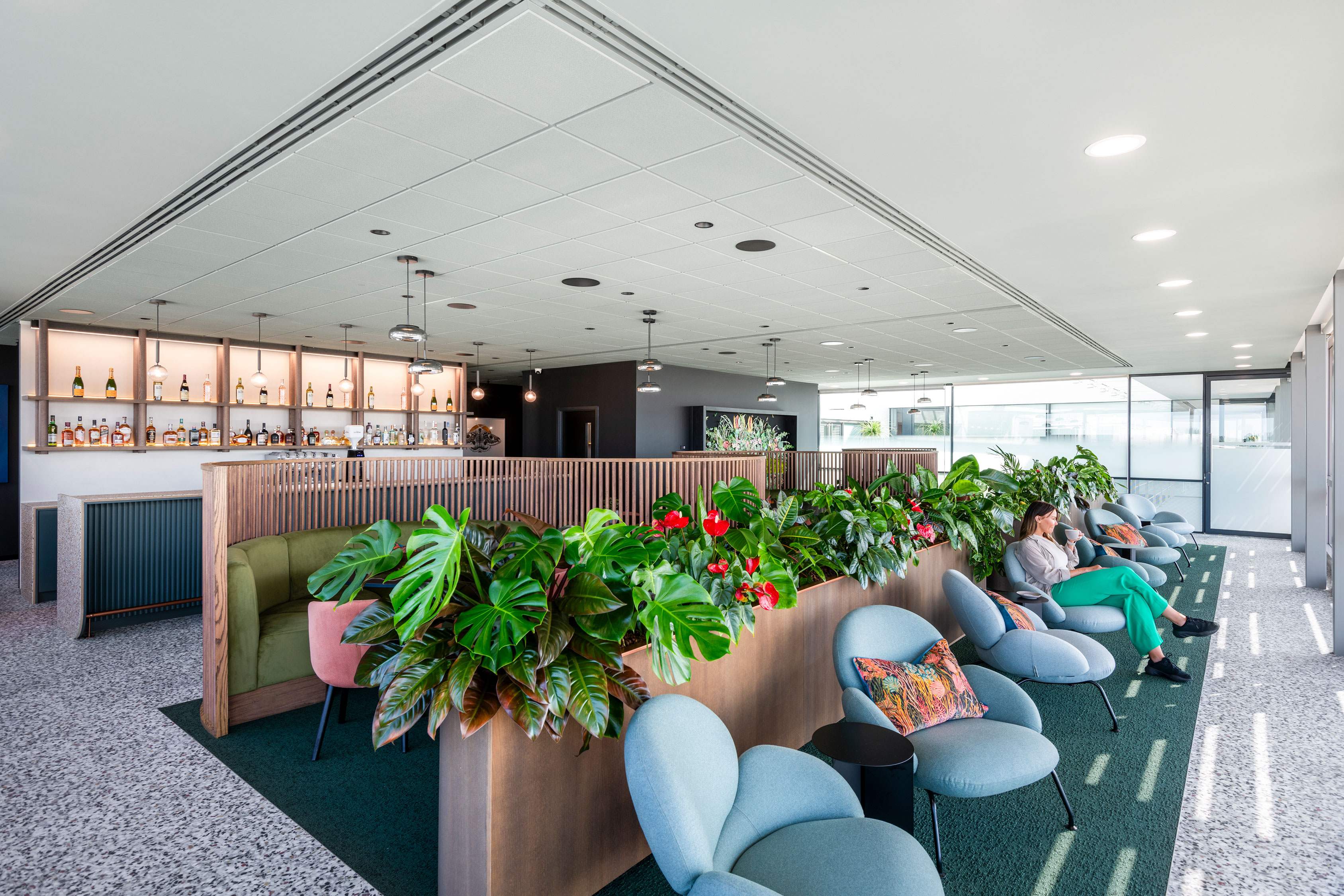
The inability to demonstrate the impact of a wellness-focused redesign is almost always the result of not setting baselines before the project began. Here is a practical framework for measuring what changes.
Frequently asked questions
Why do most office redesigns fail to improve employee wellness?
What is wellness-focused office design?
How do you measure the impact of wellbeing-focused workplace design?
What should you look for in a workplace design service focused on employee wellbeing?
How long does a wellness-focused office redesign take in the UK?
Does the WELL Building Standard guarantee a healthy office?
We work with workplace leaders and heads of people across London and the UK on office redesigns that are built around clear outcomes — not just attractive spaces.
Join our community to get early access to brand new tools in our toolkit. We'll also send you our monthly newsletter and occasional exclusive industry updates.