Why Investing in a Sustainable Office Fit-Out Pays for Your Company
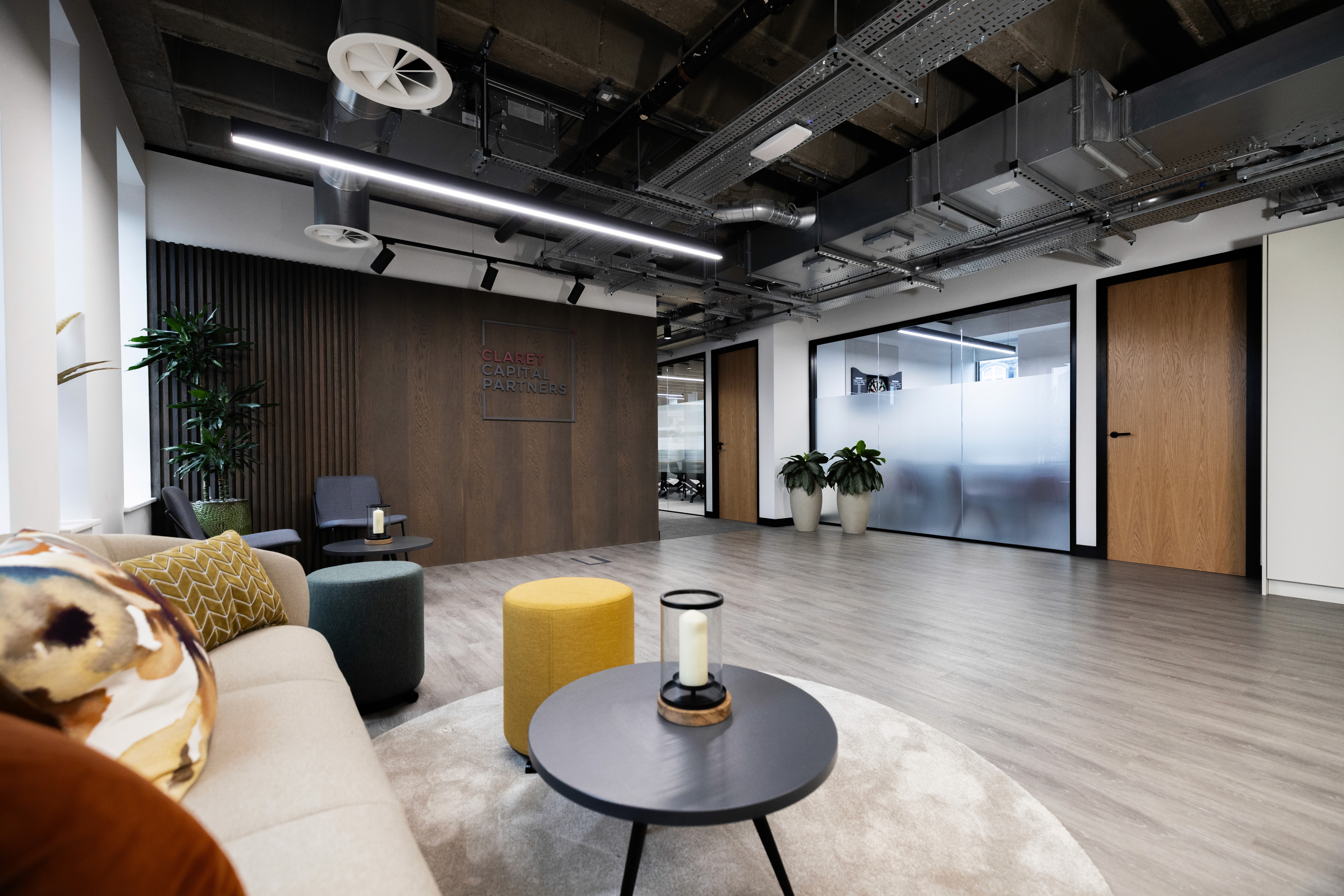
Why Investing in a Sustainable Office Fit-Out Pays for Your Company
In today's business landscape, sustainability isn't just about environmental responsibility - it's about smart financial strategy. As UK businesses face rising energy costs, increasing regulatory requirements, and evolving employee expectations, the question isn't whether to invest in sustainable office design, but how quickly you can start reaping the benefits.
Sustainable office fit out benefits extend far beyond reducing your carbon footprint. From significant cost savings to enhanced employee wellbeing, improved brand reputation, and future-proofing against regulatory changes, sustainable workplace design represents one of the most strategic investments your business can make.
In this comprehensive guide, we'll explore why sustainable workplace matters for UK businesses, examine the measurable cost savings you can achieve, and provide practical insights for planning your own sustainable transformation.
What Makes an Office Fit-Out Truly Sustainable?
Beyond Green Washing: Real Sustainability Principles
True sustainability in office design goes deeper than simply adding plants or using recycled paper. Authentic sustainable office fit out benefits come from integrated approaches that consider the entire lifecycle of your workspace, from materials sourcing to end-of-life disposal.
Key principles include:
Circular economy design that prioritises reusable and recyclable materials
Energy efficiency through smart building systems and renewable energy integration
Water conservation via efficient fixtures and greywater recycling systems
Indoor air quality optimisation through natural ventilation and low-emission materials
Waste reduction during both construction and ongoing operations
When considering a comprehensive approach to sustainable office design, partnering with specialists who understand both environmental requirements and business objectives is essential. Our design and build expertise integrates sustainability principles from the initial concept through final implementation.
BREEAM, WELL, and UK Building Standards
Leading sustainable office projects achieve certification through recognised standards:
BREEAM (Building Research Establishment Environmental Assessment Method) evaluates environmental performance across nine categories including energy, water, waste, and ecology. According to BREEAM research, certified buildings typically achieve 20-30% lower operating costs compared to conventional designs.
WELL Building Standard focuses on human health and wellbeing, examining factors like air quality, lighting, fitness, and comfort that directly impact employee performance and satisfaction. The International WELL Building Institute demonstrates measurable improvements in occupant satisfaction and productivity.
UK Building Regulations Part L sets minimum energy efficiency requirements, but sustainable design typically exceeds these standards by 40-60%, delivering superior long-term performance according to government efficiency guidelines.
For organisations looking to develop a comprehensive sustainability strategy, our workplace consultancy team can guide you through certification processes and ensure compliance with all relevant standards.
The Financial Case: Cost Savings Sustainable Office UK
Energy Efficiency and Reduced Operational Costs
The most immediate cost savings sustainable office UK businesses experience come through dramatically reduced energy consumption. Modern sustainable office designs achieve energy reductions of 30-50% compared to traditional fit-outs through:
Smart Lighting Systems: LED lighting with daylight sensors and occupancy controls reduce lighting energy consumption by up to 80%. According to Carbon Trust research, combined with natural light optimisation, businesses typically save £2-4 per square foot annually on lighting costs.
Advanced HVAC Systems: High-efficiency heating, ventilation, and air conditioning systems with smart controls adapt to occupancy patterns and external conditions. These systems reduce energy consumption by 25-40% while maintaining optimal comfort levels.
Building Management Systems: Integrated systems that monitor and optimise energy use across all building systems can deliver additional savings of 10-20% through real-time efficiency improvements, as demonstrated by Building Research Establishment studies.
Lower Maintenance and Replacement Costs
Sustainable materials and systems are designed for durability and longevity, reducing ongoing maintenance expenses:
High-quality sustainable materials often last 2-3 times longer than conventional alternatives
Modular design systems allow for easy reconfiguration without complete replacement
Low-maintenance finishes reduce cleaning costs and chemical usage
Robust building systems require less frequent servicing and replacement
Government Incentives and Tax Benefits
UK businesses investing in sustainable office design can access various financial incentives:
Enhanced Capital Allowances (ECAs) provide 100% first-year allowances on qualifying energy-saving technologies, delivering immediate tax benefits on sustainable investments according to HM Revenue & Customs guidelines.
Green Business Rates Relief offers rate reductions for properties meeting specific environmental standards, providing ongoing operational savings as outlined by government sustainability initiatives.
Cycle to Work Schemes and Electric Vehicle Charging Infrastructure Grants support sustainable transport initiatives that complement green office design.
Enhanced Property Values and Lease Terms
Sustainable offices command premium rents and higher property values:
BREEAM-certified buildings achieve rental premiums of 5-10% above market rates
Sustainable properties show lower vacancy rates and stronger tenant retention
Future-proofed buildings maintain value as environmental regulations tighten
Whether you're planning a complete transformation or targeted improvements, understanding these financial benefits helps justify investment in sustainable design. Our team specialises in creating modern workspace solutions that balance environmental responsibility with business performance.
Employee Performance and Wellbeing Benefits
Improved Air Quality and Natural Light Impact
Why sustainable workplace matters becomes clear when examining employee health impacts. Poor indoor air quality costs UK businesses an estimated £13 billion annually through sick leave and reduced productivity, according to Public Health England research.
Sustainable office design addresses this through:
Advanced Ventilation Systems: Providing fresh air at optimal rates while filtering pollutants and maintaining comfortable humidity levels.
Natural Light Optimisation: Maximising daylight exposure improves circadian rhythms, leading to better sleep quality and increased alertness during working hours.
Low-Emission Materials: Using paints, adhesives, and furnishings with minimal volatile organic compounds (VOCs) maintains healthier indoor air quality.
Reduced Sick Leave and Increased Productivity
Research consistently demonstrates that sustainable office environments deliver measurable performance improvements:
23% improvement in cognitive function in green-certified buildings compared to conventional offices, according to Harvard T.H. Chan School of Public Health studies
30% reduction in sick building syndrome symptoms including headaches, fatigue, and respiratory issues
15% increase in wellbeing scores among employees working in sustainable environments
6-9% productivity gains attributed to improved air quality and thermal comfort
Enhanced Employee Satisfaction and Retention
Modern professionals increasingly prioritise working for environmentally responsible employers. Sustainable offices help with:
Talent Attraction: 83% of millennials consider sustainability when choosing employers, according to Deloitte's Global Millennial Survey
Employee Engagement: Workers in green buildings report higher job satisfaction and pride in their workplace
Retention Improvement: Companies with strong sustainability credentials see 16% lower turnover rates
For educational organisations considering sustainable upgrades, our specialist education design services understand the unique requirements of learning environments and can help create inspiring, healthy spaces for students and staff.
Competitive Advantage and Brand Benefits
ESG Reporting and Corporate Social Responsibility
Environmental, Social, and Governance (ESG) reporting requirements are expanding across all business sectors. Sustainable office design supports ESG objectives through:
Environmental Impact Reduction: Measurable decreases in carbon emissions, energy consumption, and waste generation
Social Responsibility Demonstration: Showing commitment to employee wellbeing and community environmental stewardship
Governance Excellence: Implementing systematic approaches to sustainability that demonstrate responsible business practices
Attracting Eco-Conscious Talent and Clients
Sustainable offices serve as powerful marketing tools:
Client Perception: 67% of consumers prefer doing business with environmentally responsible companies, according to Nielsen sustainability research
Partnership Opportunities: Many large organisations require suppliers to meet specific sustainability standards
Industry Recognition: Sustainable office design often leads to awards and recognition that enhance brand reputation
Future-Proofing Against Regulatory Changes
The UK government's Net Zero commitments mean environmental regulations will continue tightening. Sustainable offices provide insurance against:
Energy Performance Regulations: Future requirements for minimum energy efficiency standards
Carbon Pricing: Expected increases in carbon costs affecting high-emission buildings
Waste Regulations: Stricter requirements for construction and operational waste management
Sustainable Design Elements That Deliver ROI
Energy-Efficient Lighting and Smart Building Systems
Modern lighting systems deliver immediate returns on investment:
LED Technology: Reduces energy consumption by 75% compared to traditional lighting while lasting 25 times longer, according to Energy Saving Trust data
Daylight Harvesting: Automatically adjusts artificial lighting based on available natural light, saving additional 20-30% on lighting costs
Occupancy Sensors: Ensure lights operate only when needed, preventing energy waste in unused areas
Sustainable Materials and Circular Economy Principles
Choosing sustainable materials provides long-term value:
Reclaimed and Recycled Materials: Often cost less than new materials while adding character and reducing environmental impact
Modular Systems: Allow easy reconfiguration and future expansion without complete replacement
Locally Sourced Products: Reduce transport costs and support local supply chains while minimising carbon footprint
Biophilic Design and Natural Elements
Incorporating natural elements delivers multiple benefits:
Living Walls and Plants: Improve air quality while creating visually appealing environments that boost employee mood and creativity
Natural Materials: Wood, stone, and organic textures create calming environments that reduce stress and support mental wellbeing
Water Features: Provide natural sound masking while creating focal points that enhance the overall workspace experience
Real-World Example: Sustainable Transformation Success
A leading UK financial services firm approached AW Spaces to transform their 15,000 square foot headquarters into a showcase of sustainable design. The existing space suffered from high energy costs, poor air quality, and low employee satisfaction scores.
The Sustainable Solution
Our comprehensive transformation included:
Energy Systems Overhaul: Installing LED lighting with smart controls, high-efficiency HVAC systems, and building management technology
Sustainable Materials: Using reclaimed wood, recycled carpet tiles, and low-VOC finishes throughout the space
Biophilic Integration: Creating living walls, maximising natural light, and incorporating organic textures and forms
Waste Reduction: Implementing comprehensive recycling systems and choosing durable, long-lasting materials
Measurable Results
The transformation delivered impressive outcomes:
45% reduction in energy costs within the first year
38% decrease in sick leave attributed to improved air quality
52% improvement in employee satisfaction scores
BREEAM Excellent certification enhancing property value and marketability
To see more examples of our sustainable transformations and their measurable impacts, explore our comprehensive project portfolio.
Getting Started: Planning Your Sustainable Office Fit-Out
Sustainability Audit and Goal Setting
Begin your sustainable transformation with comprehensive assessment:
Energy Analysis: Review current consumption patterns and identify opportunities for efficiency improvements
Material Assessment: Evaluate existing furniture and systems for potential reuse and recycling
Employee Feedback: Understand current satisfaction levels and priorities for improvement
Regulatory Review: Ensure compliance with current standards while planning for future requirements
Working with Certified Sustainable Design Specialists
Partnering with experienced professionals ensures optimal results. Professional sustainable design specialists bring:
Knowledge of the latest sustainable technologies and materials
Experience with certification processes and regulatory requirements
Project management expertise to minimise disruption and waste
Long-term support to optimise performance and maintain certifications
Phased Implementation for Maximum Impact
Consider a strategic approach that delivers immediate benefits while building toward comprehensive sustainability:
Phase 1: Energy efficiency improvements and basic air quality enhancements
Phase 2: Sustainable material upgrades and waste reduction systems
Phase 3: Advanced building systems and certification pursuit
Phase 4: Ongoing optimisation and continuous improvement
Conclusion
The evidence is clear: sustainable office fit out benefits extend far beyond environmental responsibility to deliver measurable financial returns, enhanced employee performance, and significant competitive advantages. For UK businesses facing rising operational costs and increasing regulatory requirements, sustainable office design represents essential future-proofing rather than optional enhancement.
Cost savings sustainable office UK businesses can achieve through energy efficiency, reduced maintenance costs, and operational improvements typically exceed the additional upfront investment within 3-5 years. Meanwhile, the benefits to employee wellbeing, talent retention, and brand reputation provide ongoing value that compounds over time.
Understanding why sustainable workplace matters helps businesses make informed decisions about their workspace investments. In an era where environmental responsibility, employee wellbeing, and operational efficiency converge, sustainable office design offers a pathway to enhanced performance across all these critical areas.
At AW Spaces, we believe sustainable design should enhance both environmental and business performance. Our comprehensive approach integrates cutting-edge sustainable technologies with people-first design principles to create workspaces that truly serve both your business objectives and environmental goals.
The investment in workplace transformation isn't just about aesthetics or keeping up with trends. It's about creating an environment where your people can do their best work, where your brand comes alive, and where your business objectives are supported by thoughtful, strategic design.
Ready to Invest in Your Sustainable Future?
