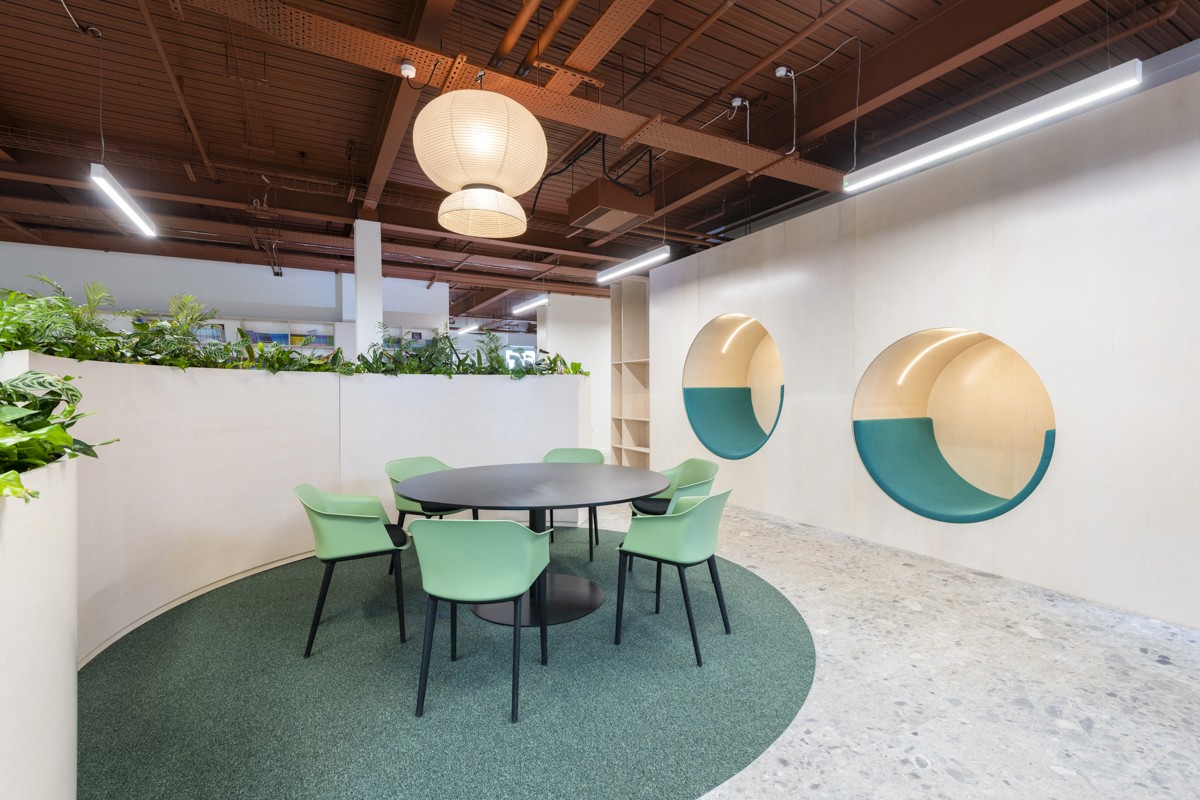
Sixth Form Design: Key Trends Shaping Modern School Environments
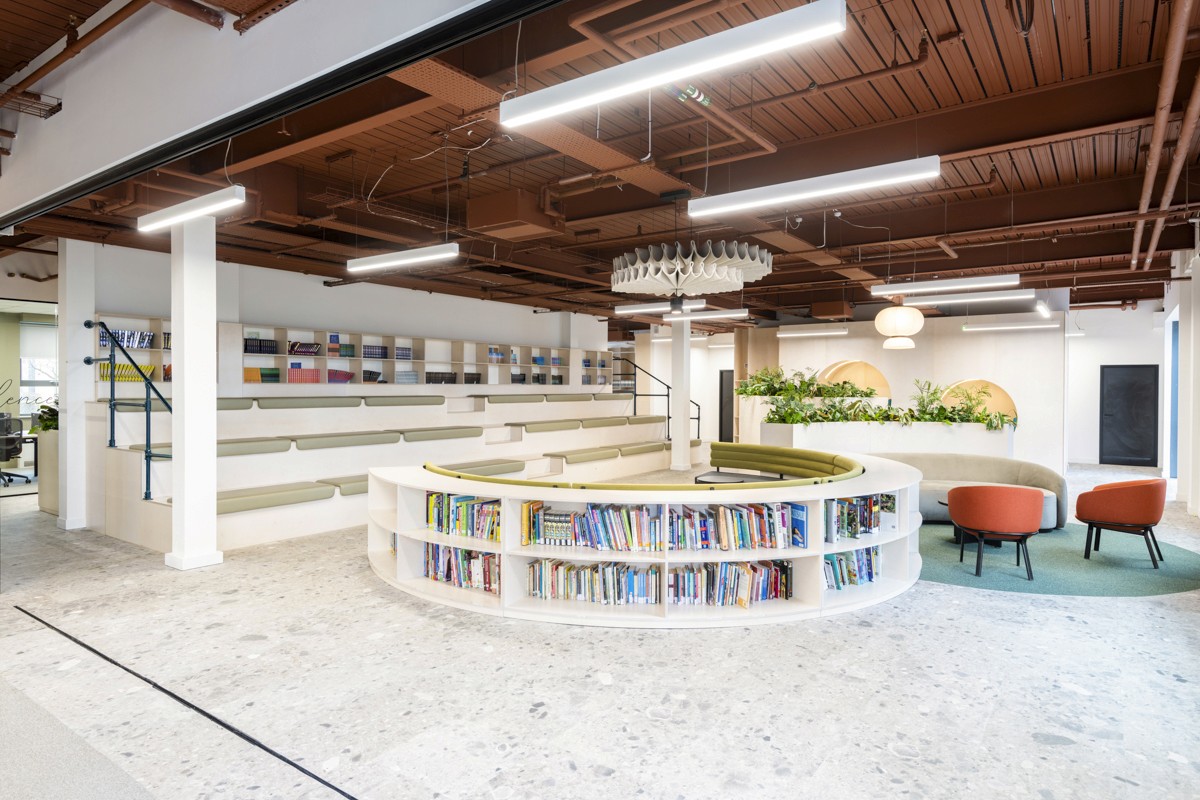
Sixth Form Design: Key Trends Shaping Modern School Environments
Sixth form is changing.
Not dramatically or all at once.
But steadily, and in ways that are starting to show up in how students use space day to day.
Across the schools we’ve been working with, and the conversations we’re having, a few patterns are emerging.
They’re not universal.
But they are consistent enough to be worth paying attention to.
1. Sixth form is becoming a transition space, not just the final years
Traditionally, sixth form has been seen as the top of the school.
Same structure, slightly more freedom.
What we’re seeing now is a subtle shift away from that.
More schools are starting to think of sixth form as a bridge:
Between structured learning and independent study
Between school identity and early adulthood
Between being directed and self-managing
That shift has implications for space.
Students at this stage are beginning to expect:
More autonomy in how they work
More choice in where they spend time
A greater sense of ownership over their environment
Where the space reflects that, behaviour often follows.
2. Independence is being designed, not assumed
In many schools, independence is expected but not always supported spatially.
Students are told they should manage their own time,
but the environments available to them don’t always make that easy.
What we’re starting to see more of is intentional provision for independent study:
Spaces that sit somewhere between a classroom and a library
Areas designed for focus, not just overflow
Layouts that support different working styles
This doesn’t necessarily require more space.
Often it’s about rethinking existing areas to better support how students are actually working.
3. Social space is being taken more seriously
Social space in sixth form has often been secondary.
A common room.
A leftover area.
Something informal but not always intentional.
That’s starting to change.
Schools are recognising that:
Social interaction is a core part of the sixth form experience
Students spend significant time on site outside of lessons
These spaces shape how students feel about being there
As a result, we’re seeing more considered approaches to:
Comfort and atmosphere
Layout and flow
The balance between social and study zones
Not to replicate a university environment, but to better reflect this stage of life.
4. A clearer sense of sixth form identity
One of the more subtle shifts is around identity.
In some schools, sixth form still feels like an extension of lower school.
In others, there’s a clearer sense that this is a distinct stage.
That can come through in different ways:
A dedicated sixth form area or building
A different material or design language
Clear visual or spatial separation
It doesn’t need to be dramatic.
But where it’s present, it tends to signal:
“This is a step forward.”
And that signal matters, both to students and to prospective families.
5. Small changes are often enough
One concern we often hear is that meaningful change requires major redevelopment.
In practice, that’s not always the case.
Many of the shifts above can be achieved through:
Reconfiguring existing layouts
Introducing more varied furniture
Creating clearer zones within the same footprint
In other words, working with what’s already there.
A final thought
None of these shifts are about following trends.
They’re responses to something more fundamental:
Students at sixth form are in a different place, academically and personally.
Where the environment reflects that,
it tends to change how the space is used, and how students experience it.
If this is something you’re currently exploring, we’re always happy to share what we’re seeing across other schools and projects.
No fixed approach, just a conversation.
👉 Get in touch to discuss your sixth form spaces